
A well-run boat partnership puts a small group of people on the water for a fraction of what sole ownership costs — without the friction that ends most of them. In our experience across 15 boats, four partners is the ideal number. Each one feels like the full owner — because in every meaningful sense, they are. Two or three works just as well. The sweet spot is where each partner feels total ownership, not fractional access. The difference between a partnership that lasts a decade and one that collapses after eighteen months is almost never the boat. It's the structure.
Form an LLC. Put the boat in it.
The most important thing you can do before a partner steps aboard is put the boat in a Limited Liability Company. A maritime incident — a collision, an injury, a dock damage claim — can produce a liability that exceeds the value of the vessel. Without an LLC, that liability can reach the personal assets of every partner. With one, it generally cannot.
The structure is straightforward. Form a single-purpose LLC in the state where the boat is documented or primarily kept. Title transfers to the LLC — the LLC owns the vessel, not the individuals. Each partner holds a membership interest proportional to their capital contribution. That interest is what they buy when they join and what they sell when they exit.
LLC formation costs a few hundred dollars and a few hours. The protection it creates is permanent and substantial. Any attorney with recreational or commercial maritime experience can handle the formation and title transfer. Do not skip this step to save money on legal fees.
One practical note: some marinas require additional documentation when a slip is held by an LLC rather than an individual. Check with your marina before filing. It is usually straightforward — the marina adds the LLC to the slip agreement — but verify it before closing.
A maritime incident can produce a liability that exceeds the value of the vessel. Without an LLC, that reaches every partner personally.
- Single-purpose LLC — one entity, one boat
- Title the vessel in the LLC's name
- Members hold proportional ownership interests
- Keeps personal assets outside the reach of maritime claims
- Enables clean exits: the member sells their interest, not a piece of a boat
The Operating Agreement does the heavy lifting.
The Operating Agreement is the governing document of the LLC. It defines everything the partners have agreed to before anything goes wrong — which is exactly when you want those agreements locked down. A well-drafted Operating Agreement removes ambiguity from situations that would otherwise become arguments.
At minimum it should cover: how usage time is allocated (fixed assignments, floating rotation, or a hybrid); how capital contributions are calculated and when additional contributions can be required; what happens when a partner cannot or will not pay; the process for resolving disputes; how a partner exits and how their interest is valued and transferred; and under what conditions the partnership can be dissolved and the vessel sold.
The usage section deserves particular care. Partnerships fall apart most often over scheduling conflicts and the perception that one partner is getting more or better time than another. Four partners on a weekly rotation means each owner gets roughly one week in four — plus unlimited flexible access between assigned weeks. That rhythm gives every partner the feeling of full ownership, because the boat is genuinely available when they want it, not just on a fixed slot. A clear, written allocation — matched to what the partners actually agreed on — is the single best preventive measure.
The exit provision matters even when everyone is aligned and enthusiastic at the start. People's lives change. The agreement should specify whether departing members must offer their interest to existing members first (a right of first refusal), how the interest is valued, and what the timeline for settlement is. Without this, a single partner's life event can create a legal and financial knot that takes months to untangle.
The Operating Agreement doesn't matter when everything is fine. It matters enormously when something isn't.
- 4 partners is the ideal — each feels like a 100% owner, not a timeshare member
- Usage allocation — fixed weekly rotation, floating, or a clear hybrid rule
- Capital contributions and what triggers additional calls
- Delinquency process — grace period, consequences, removal
- Dispute resolution — manager authority, escalation path, arbitration
- Right of first refusal on exiting member interests
- Dissolution process and vessel liquidation terms
Find a trusted friend. Make the job a pleasure.
The best boat partnership managers are not paid professionals. They are trusted friends — someone who is already part of the group, who cares about the boat, and who is willing to take the lead in exchange for the intangible reward of being the person the partnership depends on. The compensation is occasional extra usage, not a fee.
There is a simple test for the right manager: if you would trust them with the partnership's money and the maintenance decisions, you can trust them with the boat. The two go together. A manager who has earned that kind of trust from the other partners does not need formal compensation to feel that the arrangement is fair — they need to feel that their effort is visible, their decisions are respected, and that the tools they are using make the job manageable.
This is where the right software changes everything. Managing a boat partnership used to mean fielding texts at all hours, assembling spreadsheets from receipts, and chasing down cruise logs nobody filled out. With an app like Boat Partner, that work is largely automated. The calendar is self-service. Cruise logs take under a minute and submit automatically. Bank transactions reconcile against usage data. Communications go through a proper channel instead of a group text. What used to feel like a second job becomes a manageable hobby — something the right person actually enjoys.
The Management Agreement should still be written down. It defines the manager's authority: what decisions they can make unilaterally (routine maintenance up to a threshold, emergency repairs, vendor payments), what requires partner notification versus formal approval, and the process for replacing the manager if the group votes to do so. Document the role clearly — not to formalize a business relationship, but to protect a friendship by making expectations explicit.
 BOAT PARTNER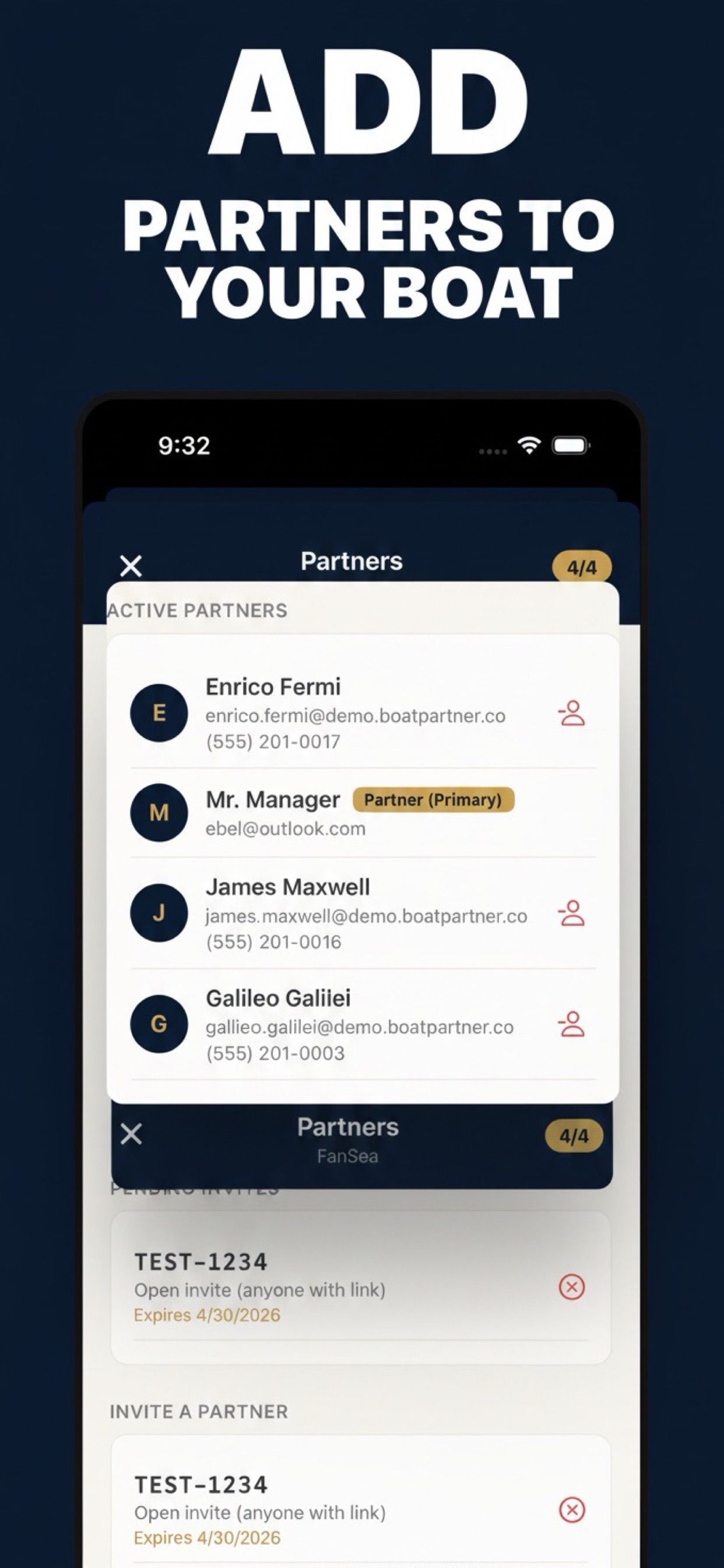
- Choose a trusted partner, not a hired professional
- Compensation is occasional extra usage — not a fee
- If you trust them with the money, you can trust them with the boat
- The right software makes managing a genuinely enjoyable role
- Document the authority and the replacement process — to protect the friendship
Dedicated banking. No exceptions.
Open a business checking account in the LLC's name before the first partner writes a check. Every dollar associated with the boat — slip fees, fuel, insurance, maintenance, capital contributions, reserves — moves through that account and only that account. The manager does not run boat expenses through a personal card and get reimbursed. Partners do not pay the marina directly. Everything flows through the LLC account.
Commingled money is the single most common reason boat partnerships end badly. When boat expenses mix with personal accounts, you lose the ability to produce clean financial reporting, you create ambiguity about what has and has not been paid, and you expose yourself to scrutiny that a single-purpose LLC account would have avoided entirely. The discipline required to maintain a clean account is minimal. The cost of not doing it is not.
Set up the account with the manager as the primary signatory and at least one backup. Many banks will require the LLC's Articles of Organization and Operating Agreement to open the account — have those documents in hand. Keep the account well-funded relative to the reserve target; a balance that is perpetually near zero creates stress and invites shortcuts.
The account is the single source of truth for financial reporting. If it went through the account, it happened. If it didn't, it didn't. That discipline makes quarterly reporting take twenty minutes instead of an afternoon.
BOAT PARTNERPARTNERSHIP MATH
Before you set your reserve target, run the actual numbers. Our cost estimator breaks down slip, insurance, fuel, and maintenance — split across 2, 3, or 4 partners. Thirty seconds.
See the cost split →Commingled money is the single most common reason boat partnerships end badly. It's also completely avoidable.
- LLC business checking account — opened before operations begin
- All income and expenses flow through the LLC account exclusively
- Manager is primary signatory; designate a backup
- Required documents: Articles of Organization, Operating Agreement, EIN
- The account is the audit trail — protect its cleanliness
Report quarterly. Build a real reserve.
Partners who cannot see what is happening with the boat's money become partners who ask uncomfortable questions at inconvenient times. Quarterly financial reporting — a simple statement showing account balance, income, expenses by category, and reserve status — keeps everyone aligned and builds the kind of trust that sustains a partnership through its harder moments.
The report does not need to be elaborate. Opening balance, contributions received, expenses itemized by category (slip, fuel, insurance, maintenance, miscellaneous), closing balance, and current reserve position. Send it to every partner on the same schedule every quarter — no exceptions, no matter how uneventful the quarter was. Consistency is what makes partners comfortable. Silence is what makes them suspicious.
Reserves are non-negotiable. A healthy reserve for a recreational vessel is typically four to six months of operating expenses — enough to absorb an unplanned engine repair, a haul-out, or a deductible without requiring an emergency cash call. Underfunded partnerships operate in chronic financial fragility; a single large expense becomes a crisis. Set the target in the Operating Agreement and enforce it.
Budget line items should include at minimum: slip fees; insurance premium (annual, prorated monthly); fuel (estimated by average hours per month); routine maintenance budgeted by the manufacturer's service schedule, not by hope; reserve contribution (fixed monthly amount until the target is met); and a miscellaneous buffer of ten to fifteen percent.
Partners who cannot see what is happening with the money become partners who ask uncomfortable questions at inconvenient times.
- Quarterly statements — balance, contributions, expenses by category, reserve status
- Reserve target: 4–6 months of operating expenses
- Annual budget covers: slip, insurance, fuel, routine maintenance, reserve build
- 10–15% miscellaneous buffer — not optional, not negotiable
- Consistent reporting cadence builds trust without the manager having to ask for it
Running a partnership is easier with the right tools.
Boat Partner gives every partner the calendar, cruise log, reports, and boat info they need — and gives the manager the banking, documents, and fleet view they can't run without.
See how Boat Partner works →Handle cash calls with a process, not a text.
A cash call — a request for partners to contribute additional capital beyond their regular dues — is a normal part of boat ownership. Haul-outs, engine work, rigging replacement, electronics upgrades: these are events that happen on a schedule or without one, and when they exceed the reserve, the partners fund them. The question is not whether cash calls happen. It's whether they happen cleanly.
A good cash call has three components: advance notice in writing, a clear explanation of what the funds are for and why the reserve cannot cover it, and a defined deadline. The Operating Agreement should specify the minimum notice period — typically ten to thirty days depending on the amount — and what happens when a partner cannot or will not pay within that window. Spell this out before the first call, not during it.
For large capital events — an engine repower, a major refit — give partners more lead time and more detail. Share the vendor quote, the scope of work, and the completion plan. Partners are more willing to write a significant check when they understand exactly what it is funding.
The tone of a cash call matters. It should be matter-of-fact, specific, and free of urgency theater. If the reserve policy has been followed, no cash call should be a genuine emergency. Present the facts, give people time to plan, and enforce the deadline.
BOAT PARTNER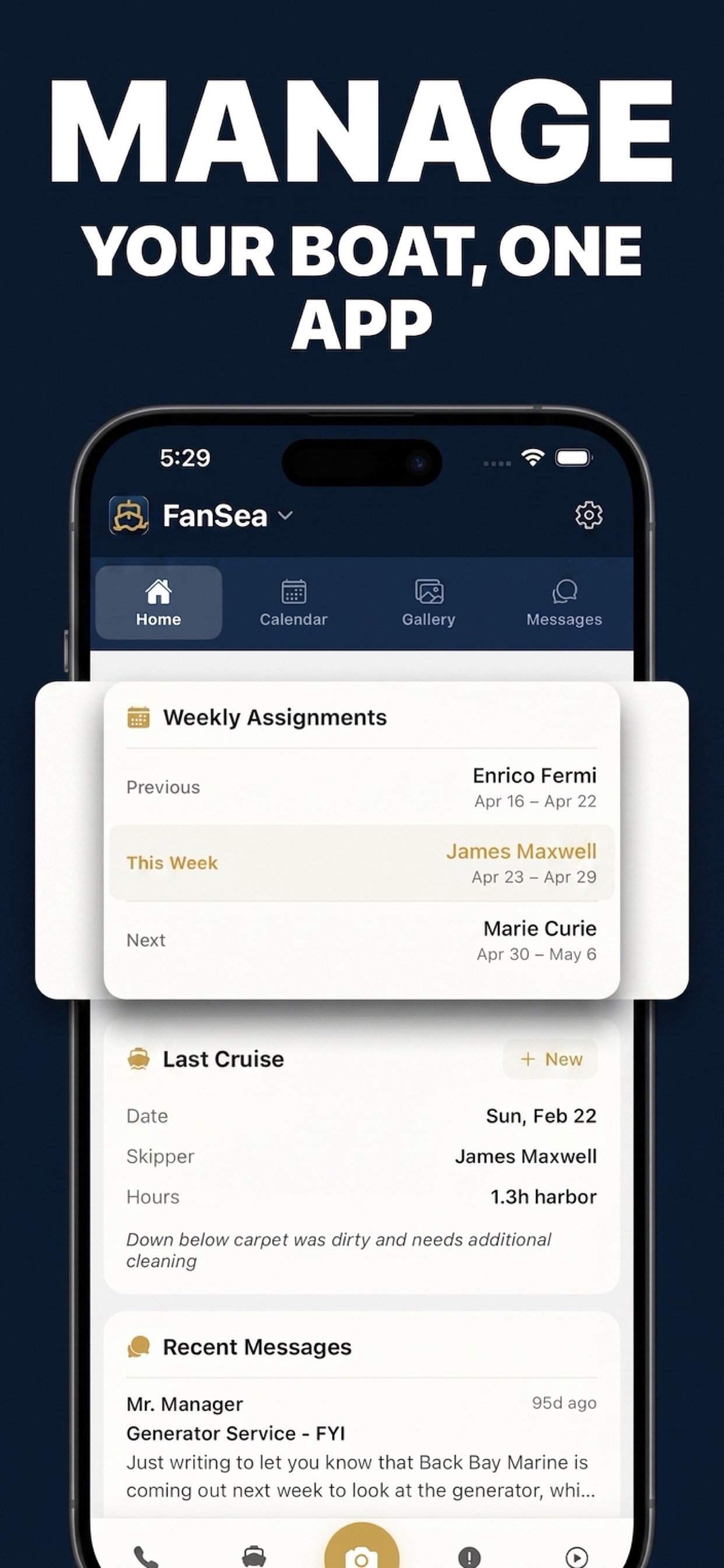
- Written notice — documented message, not a group text
- Include: purpose, amount per partner, deadline, what happens if unpaid
- Reference the reserve shortfall specifically — show the math
- Major capital events: share the vendor quote and scope
- The Operating Agreement should pre-define the delinquency process
The boat doesn't run itself. Build the systems that do.
Routine maintenance is where most boats — and most partnerships — quietly deteriorate. Not from dramatic failure, but from deferred oil changes and skipped impeller replacements and the fuel dock that no one topped off because everyone assumed someone else would. A managed maintenance schedule, tied to hours and the calendar rather than to memory and good intentions, is what separates boats that stay reliable from boats that don't.
Establish a service schedule for every recurring item: engine oil and filter by hours, raw water impeller annually, zincs every haul-out, belts and hoses at the manufacturer's interval, bottom paint on a two-year rotation. Assign a primary vendor for each category — a mechanic you trust, a fuel dock with consistent hours, a canvas shop for soft goods. Document their contact information somewhere every partner can find it instantly.
Vendor relationships are an asset. A mechanic who knows the boat and knows you will pay promptly will prioritize your call when you need a diagnosis before the weekend. Build those relationships intentionally and protect them.
BOAT PARTNER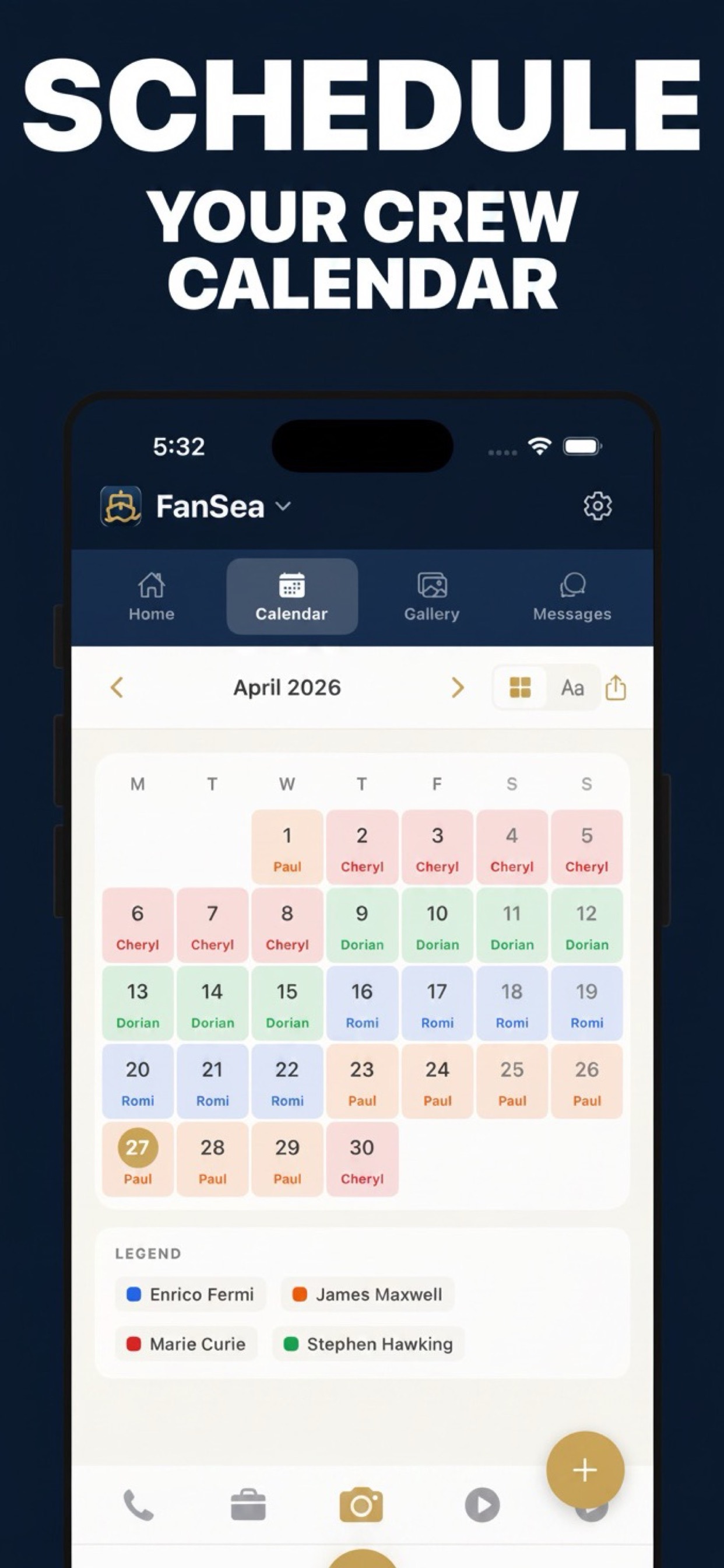 BOAT PARTNER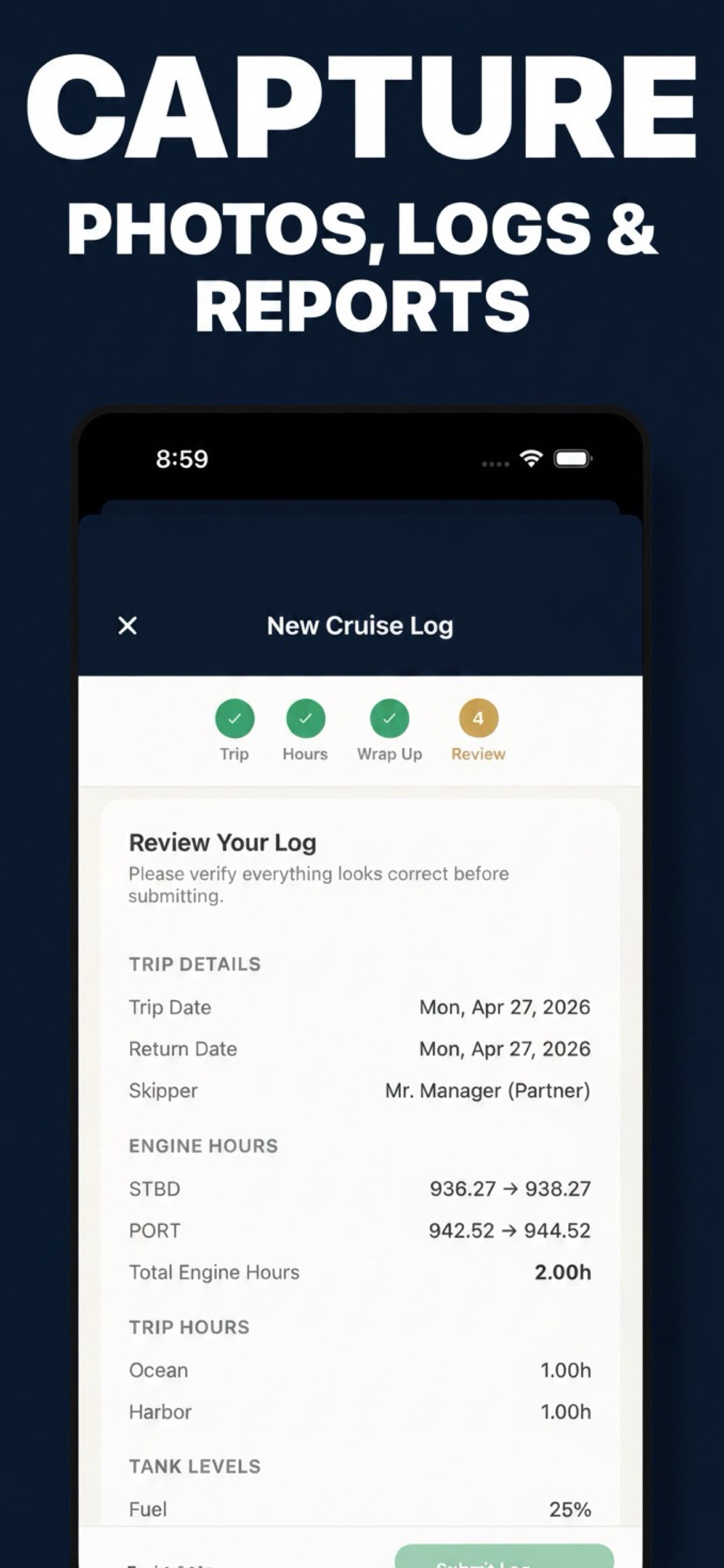
Insurance is not optional and not one-size-fits-all. A shared vessel needs a policy that explicitly covers all named co-owners, includes liability limits appropriate for multiple users with varying experience levels, and covers uninsured watercraft and medical payments. Review the policy annually and verify that the LLC is the named insured. Coverage gaps in a shared ownership context are different — and more expensive — than gaps in sole ownership.
Deferred maintenance is debt. It accrues silently and pays out at the worst possible time.
- Engine service: oil/filter by hours, not by calendar
- Raw water impeller: annual replacement, no exceptions
- Zincs: every haul-out
- Primary vendor list: mechanic, fuel dock, canvas, marina contact — accessible to every partner
- Insurance: LLC as named insured, all co-owners covered, liability limits reviewed annually
Boat insurance is different in a partnership. Get it right.
A standard recreational marine policy written for a sole owner does not automatically extend to co-owners using the vessel under a partnership structure. Before the first partner takes the boat out, confirm with your insurer — in writing — that the policy covers all LLC members as named insureds and that the LLC itself is listed as the primary insured entity. If that confirmation requires a policy endorsement or rewrite, do it before the question becomes relevant under a claim.
Hull and machinery coverage protects the vessel itself. Liability coverage protects the LLC and its members from third-party claims. In a partnership context, liability limits should be sized to reflect the combined net worth of all partners, not just the value of the boat. An umbrella policy is worth serious consideration.
Uninsured watercraft coverage and medical payments coverage are often overlooked. Uninsured watercraft functions like uninsured motorist coverage in auto — it protects you when a collision with an uninsured vessel produces damages your own liability policy won't cover. Medical payments coverage handles on-board injuries without requiring a determination of fault. Both are relatively inexpensive and both address common scenarios in busy harbors.
Review the policy every year at renewal. Vessel value changes. Partner circumstances change. A policy that was adequate at formation may have gaps three years later.
- LLC as named insured — confirmed in writing before operations begin
- All members explicitly covered — no gaps for co-owner use
- Liability limits sized to partnership, not just vessel value
- Uninsured watercraft coverage — essential in busy recreational harbors
- Medical payments — covers on-board injuries without fault determination
- Annual review at renewal — circumstances change, coverage should keep pace
 BOAT PARTNER
What it's like when the whole thing lives in one place.
Every element of the structure described in this guide generates information that has to live somewhere. In most partnerships, it lives everywhere: a group text, a shared spreadsheet, a folder of PDFs on someone's desktop, a handwritten log in the nav station, a number saved in one partner's phone. That distributed chaos is not a minor inconvenience. It is the operational texture of every partnership that eventually frays.
Having everything in one place is a revolution for how a manager actually experiences the job. Before an app like Boat Partner, managing well meant assembling information from a dozen places and manually chasing partners for logs, payments, and responses. The manager's personal life absorbed the boat's friction. Every missed text, every late payment, every unlogged cruise was a small reminder that the boat was an endless annoyance. With Boat Partner, that annoyance stops. The boat lives in the app. The manager's phone is for the rest of their life.
Home — assignments & logs
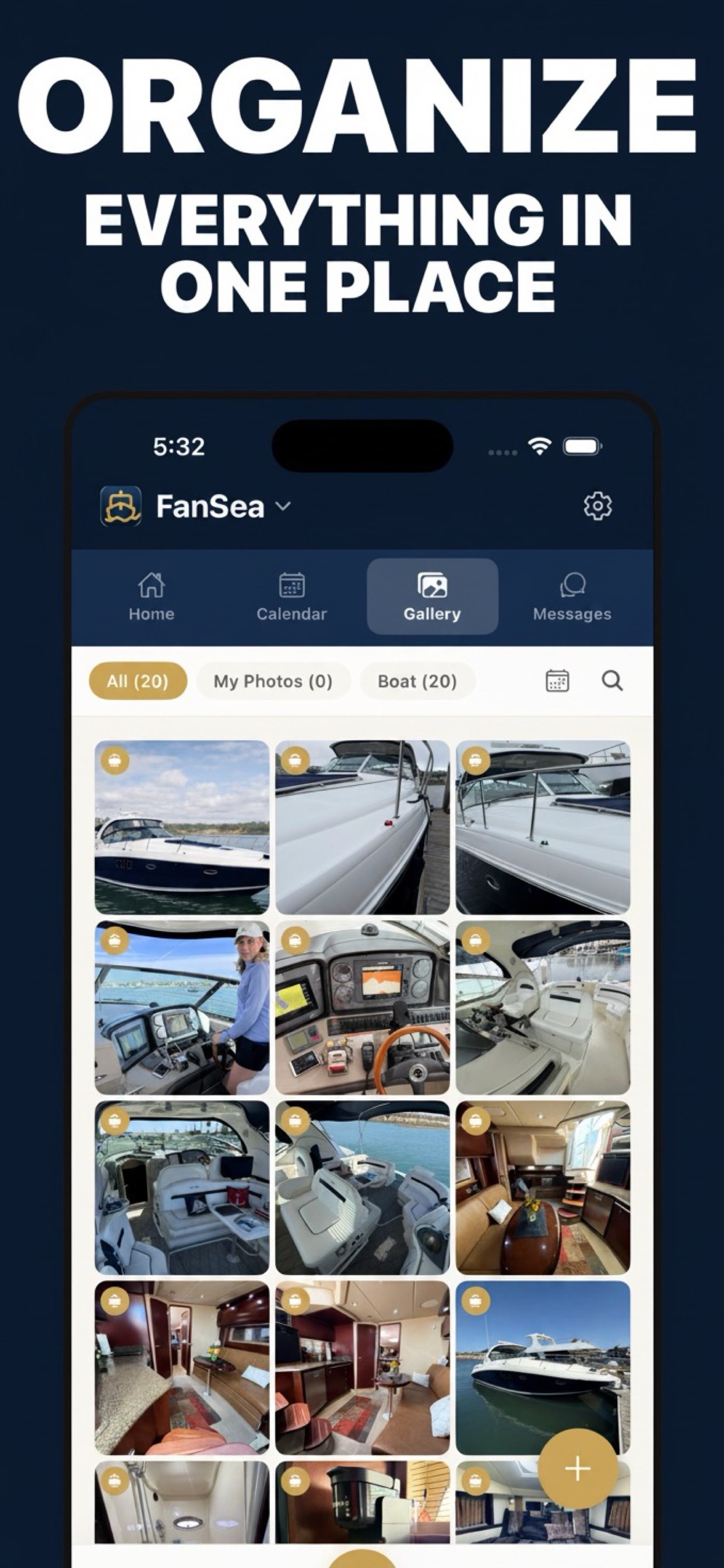
Gallery — everything in one place
The partner-facing app gives every member the calendar, their upcoming assignments, the cruise log, issue reports, boat info, how-to videos, and quick contacts — all on their phone, usable without cell signal at the dock. Every cruise gets logged in under a minute. Every issue gets documented with a photo the moment it's noticed. The boat's quick reference — slip number, gate code, emergency contacts, vessel specs, insurance carrier — is one tap away.
For managers, the BRP platform is the command center that was never possible before. Real-time bank account balance and a full transaction ledger connected directly to the LLC account. AI-assisted reconciliation that reads incoming transactions and matches them against cruise logs and partner payment history — turning monthly bookkeeping from a multi-hour task into minutes of confirmation. A dedicated email address for each boat, so marina notices, vendor quotes, and partner inquiries route automatically. Document library, e-signature capture, maintenance records, and fleet GPS in a single web portal.
None of this replaces good judgment or a well-drafted Operating Agreement. What it replaces is the friction that makes good judgment harder to apply. When the calendar is shared and visible, scheduling conflicts surface before they become arguments. When cruise logs are digital, records are accurate without anyone chasing them. When bank transactions reconcile automatically, financial reporting takes twenty minutes, not an afternoon. Managing a boat partnership used to be work. With the right tools, it becomes something a trusted friend actually wants to do.
When the calendar is shared and visible, scheduling conflicts surface before they become arguments. That's what good tooling actually does.
- Partner app: color-coded calendar, 4-step cruise log, issue reports, how-to videos, quick contacts — works offline
- BRP platform: live bank balance, full transaction ledger, AI reconciliation against cruise logs
- Manager inbox: each boat gets its own email address — vendor and marina notices route automatically
- Document library: partnership agreements, operating agreements, bills of sale — e-signature ready
- Fleet GPS: real-time vessel tracking across every boat under management
- Role-adaptive: partners see their view, managers see everything — no permission gymnastics
Ready to run your partnership properly?
Get the app and the management platform built by people who have run 15 boats and 300+ partners. The structure is in this guide. The tools are in Boat Partner.
See how Boat Partner works →READY TO LIST?
List your open share on shareyourboat.com
Free to list, takes ten minutes. Paste a URL and AI pre-fills the form. Buyers contact you directly — no commission, no broker.